


Blog
Signs of jaw misalignment can be easy to spot. Also called malocclusion, it affects more than the look of your smile.



Signs of Jaw Misalignment: Symptoms, Causes, and Treatment Options
Signs of Jaw Misalignment: Symptoms, Causes, and Treatment Options
July 10, 2026







Jaw misalignment, also called malocclusion, affects more than the look of your smile. When the upper and lower teeth or jaws do not fit together properly, it can lead to chewing problems, jaw discomfort, headaches, and uneven tooth wear. Spotting the signs of jaw misalignment early makes treatment simpler and helps protect your teeth, jaw joints, and overall oral health. Below, learn what jaw misalignment is, how to recognize it, what causes it, and the most effective treatment options. Throughout this guide, you will find the most common symptoms of jaw misalignment and what to do next if you notice them.

What Is Jaw Misalignment?
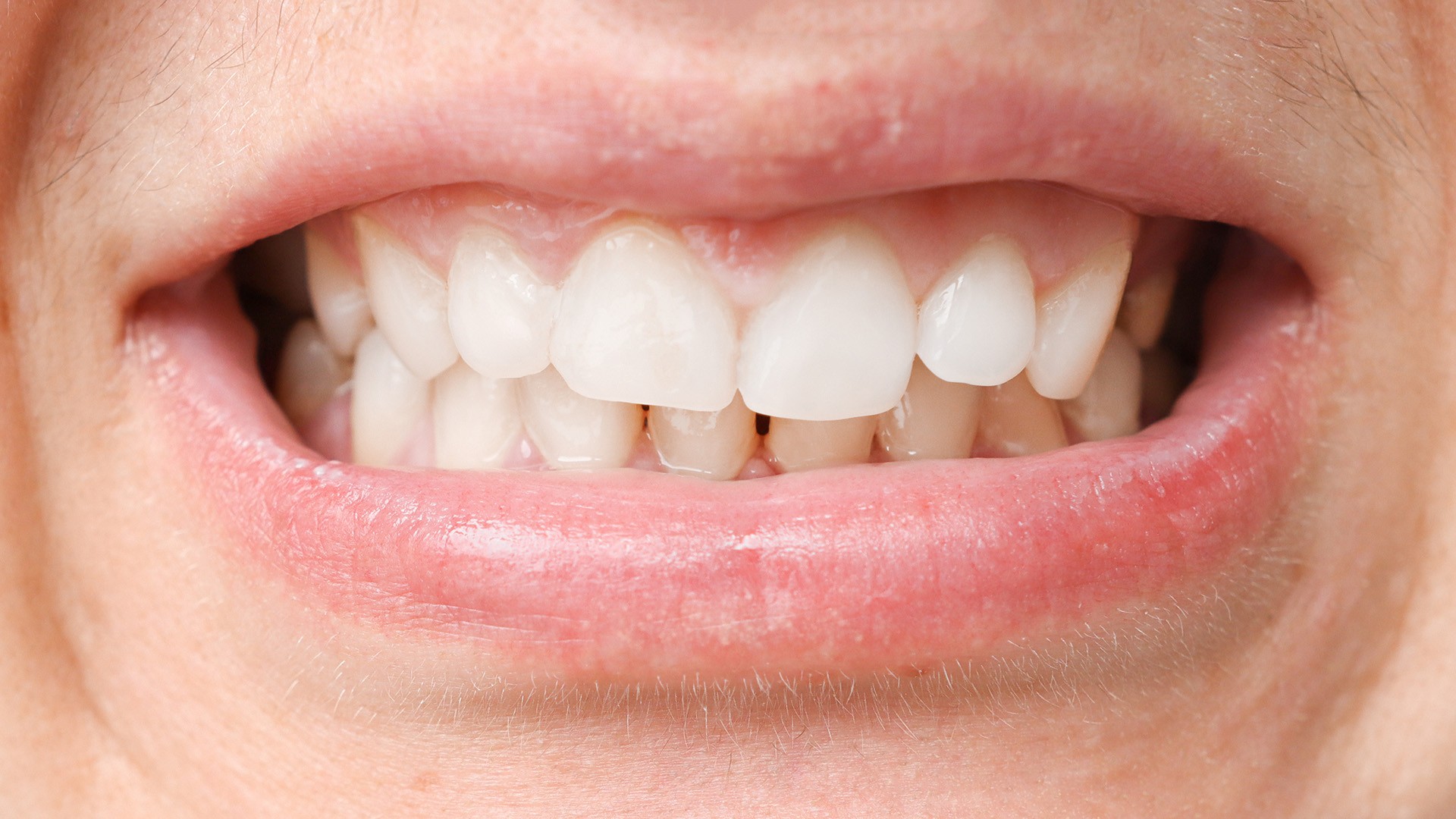
Jaw misalignment occurs when the upper and lower jaws and teeth do not meet in a balanced, coordinated way. Common patterns include:
- Overbite: upper teeth and jaw sit too far forward.
- Underbite: lower jaw extends forward.
- Crossbite: upper teeth bite inside the lower teeth on one or both sides.
- Open bite: front or back teeth do not meet when biting.
- Facial asymmetry: one side of the jaw or face develops differently from the other.
Orthodontists evaluate jaw alignment by examining how teeth come together in a normal bite, the relationship of the upper and lower jaws, and how the jaw joints move. A healthy bite usually shows the upper front teeth slightly overlapping the lower front teeth, with the upper back teeth fitting just outside the lower back teeth. The midlines of the top and bottom teeth typically align with the center of the face, and jaw movement is smooth without clicking or locking.
There is a difference between functional misalignment and structural misalignment. Functional issues involve how the jaw moves and how the teeth contact, often influenced by muscle patterns or habits. These may exist even when jaw bones are normal in size. Structural or growth-related misalignment reflects differences in jaw size, position, or shape due to genetics or development. Many people have a mix of functional and structural factors, which is why a thorough evaluation is important when reviewing signs of jaw misalignment and determining next steps.
Common Signs of Jaw Misalignment and What to Watch For
Jaw misalignment can show up in different ways. Some clues are easy to see, while others are felt during everyday activities like chewing and speaking. The following table groups key signs of jaw misalignment and the most frequent symptoms of jaw misalignment to help you evaluate what you are experiencing.
| Category | What to Look For |
| Visible changes | Crooked or uneven smile; facial asymmetry where one side appears larger or sits lower; uneven bite where some teeth do not touch or others meet too heavily; abnormal tooth wear such as flattening, chipping, or notches near the gumline. |
| Functional symptoms | Difficulty chewing certain foods; frequent accidental biting of the cheek or tongue; speech changes such as a lisp or trouble pronouncing certain sounds; a bite that feels different day to day; shifting your jaw to make the bite feel comfortable. |
| Pain-related signs | Jaw pain or fatigue when chewing; headaches, especially around the temples; ear pain or a feeling of fullness in the ears; neck or shoulder tension; joint noises like clicking or popping; occasional locking or a stuck feeling when opening or closing. |
If you notice several of these signs, especially persistent pain, frequent headaches, or jaw locking, schedule a professional evaluation. Early care can prevent further wear and reduce discomfort. Keep a brief log of the symptoms of jaw misalignment you experience, including when they occur and what seems to trigger them, so your provider can tailor recommendations.
Causes and Risk Factors
Jaw misalignment can develop for many reasons. Understanding the underlying cause helps guide the most effective treatment.
- Genetics and growth: inherited jaw size and shape can contribute to overbites, underbites, and asymmetries as a child grows.
- Childhood habits: thumb-sucking, extended pacifier use, or prolonged bottle-feeding can alter the way the jaws and teeth develop.
- Tooth loss and spacing changes: early loss of baby or adult teeth can allow neighboring teeth to drift, changing the bite over time.
- Trauma and injury: accidents or impacts can shift the position of the jaw joint or teeth, leading to long-term bite changes.
- Joint conditions: arthritis and other degenerative issues can affect the temporomandibular joint (TMJ), altering movement and tooth contact.
- Orthodontic relapse: not wearing retainers as directed after treatment may allow teeth to shift back.
- Growth spurts and discrepancies: rapid growth, especially during adolescence, can create or worsen misalignment.
- Muscle and lifestyle factors: teeth grinding or clenching (bruxism), stress-related muscle tension, and poor posture can exacerbate bite problems and joint strain.
Often, multiple factors combine to produce the signs of jaw misalignment you see or feel. That is why a personalized diagnosis is essential before starting treatment.
How Jaw Misalignment Is Diagnosed
A comprehensive evaluation looks at your symptoms, bite, jaw function, and the health of teeth and joints. Expect the following steps during an exam:
- History and symptom review: discussion of jaw pain, headaches, chewing difficulties, and habits like clenching or grinding.
- Clinical exam: assessment of how your teeth come together, range of jaw motion, muscle tenderness, and any joint sounds.
- Digital scans or impressions: used to study your bite and tooth positions in detail.
- Bite analysis: identifies where teeth contact too early or unevenly.
Imaging helps reveal structures not visible during a clinical exam:
- X-rays and panoramic radiographs: provide an overall view of teeth and jaw structures.
- Cone beam computed tomography (CBCT): offers a 3D image to assess jaw joints, airway, and skeletal relationships with precision.
- Digital occlusal sensors: measure the timing and force of tooth contacts when needed.
Depending on your needs, referrals may be part of a collaborative approach:
- Orthodontist: manages tooth and bite alignment.
- Oral and maxillofacial surgeon: evaluates and treats structural jaw problems, including candidates for orthognathic surgery.
- TMJ or orofacial pain specialist: addresses joint or muscle pain when that is the primary concern.
Treatment Options and When to Seek Help
Most cases can be improved with non-surgical care, while significant jaw size or position differences may need a combined approach. Your plan will be tailored to your goals, symptoms, and exam findings.
Non-Surgical Treatments
- Orthodontic treatment: braces or clear aligners move teeth into better positions to improve bite function and appearance.
- Occlusal splints and night guards: protect teeth from grinding and can help balance the bite temporarily while definitive treatment is planned.
- Physical therapy and exercises: improve jaw mobility, reduce muscle tension, and support better function.
- Behavioral strategies: stress management, avoiding hard or sticky foods, limiting gum chewing, and correcting posture habits.
- Pain management: short-term use of anti-inflammatory medications, cold or warm compresses, and targeted home care instructions from your provider.
Surgical and Combined Care
When jaw size or position is the primary issue, a combined surgical and orthodontic plan may be recommended. Orthognathic surgery repositions one or both jaws to correct skeletal discrepancies. Treatment is coordinated between your orthodontist and oral surgeon and typically involves:
- Detailed planning with digital models and imaging.
- Braces or clear aligners before surgery to align teeth.
- Surgery to reposition the jaws for a stable, functional bite and balanced facial appearance.
- Post-surgical orthodontics and follow-up to fine-tune the bite and ensure long-term stability.
When to Schedule an Evaluation
Seek professional care if you notice any of the following:
- Persistent jaw pain, frequent headaches, or facial soreness.
- Difficulty biting or chewing, or frequent cheek or tongue biting.
- A bite that feels uneven or changes from day to day.
- Joint noises like clicking or popping, or any locking or stuck sensation.
- Visible shifts in tooth position, facial asymmetry, or abnormal wear patterns on teeth.
Early assessment can simplify treatment and prevent further damage or discomfort. Helpful next steps include booking a comprehensive exam, noting your symptoms and questions, and asking about retainer use, splints, or at-home strategies to ease discomfort while a long-term plan is developed. With a tailored approach, most patients achieve improved comfort, function, and long-term alignment. If you are unsure whether what you are experiencing are normal changes or signs of jaw misalignment, bring photos, symptom notes, and any prior dental records to your appointment for a clearer comparison over time.